Award-Winning Blog


The Power of One Vs. Collective

Joseph Stalin said “the death of one person is a tragedy; the death of one million is a statistic.”  And Mother Teresa agreed, “If I look at the mass, I will never act.” Our sense of empathy and moral motivation to help tends to fall off when faced with a group in need versus an […]

Learn More

Repeat Giving Gamified

Wordle will tell me how many consecutive days I’ve played, my streak.  Same for Peloton and the activity app on my watch and phone.  Streaks, we love to maintain em’.  It becomes a goal unto itself. And if that goal is tied to an Identity – as runner or biker or puzzle person – then […]

Learn More

The Three Layers of A Person and Your Fundraising Story

I want a story that speaks to me.  But who am I?  A bundle of complexity just like you and exactly not like you. Personality Psychologists often talk about three layers of a person, The foundational, rough sketch layer are our broad personality traits.  You’re extroverted, I’m introverted.  You’re agreeable, I’m not.   But, there are […]

Learn More

Iron Law of Megaprojects

Your mega-project will fail. This reality and Iron Law comes from a Dane, Bent Flyvbjerg, who has spent a lifetime studying mega-projects. In our world this megaproject might be he new website, the CRM conversion, a new “product” with heavy investment. His research shows these projects are over-budget, late and under-deliver, almost always. 48% are […]

Learn More

All Segmented Up and Nowhere to Go

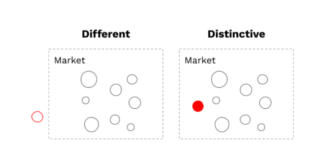
Why create segments?  The only reason is you believe Different Strokes was something other than an early 80s sitcom. But what makes people different isn’t the question.  Some people like red hats, others blue; knowing that won’t help you raise more money. What are the different reasons people support your charity is closer to the […]

Learn More

Your Beneficiary is Too Far Away to Help

If I show you a beautiful, scenic picture from 5 feet away you will appreciate and feel it more than if I show it to you 50 feet away. We humans apply this same logic to charitable giving, assuming more impact on nearby vs. faraway beneficiaries is physical and social distance and they operate independently. […]

Learn More